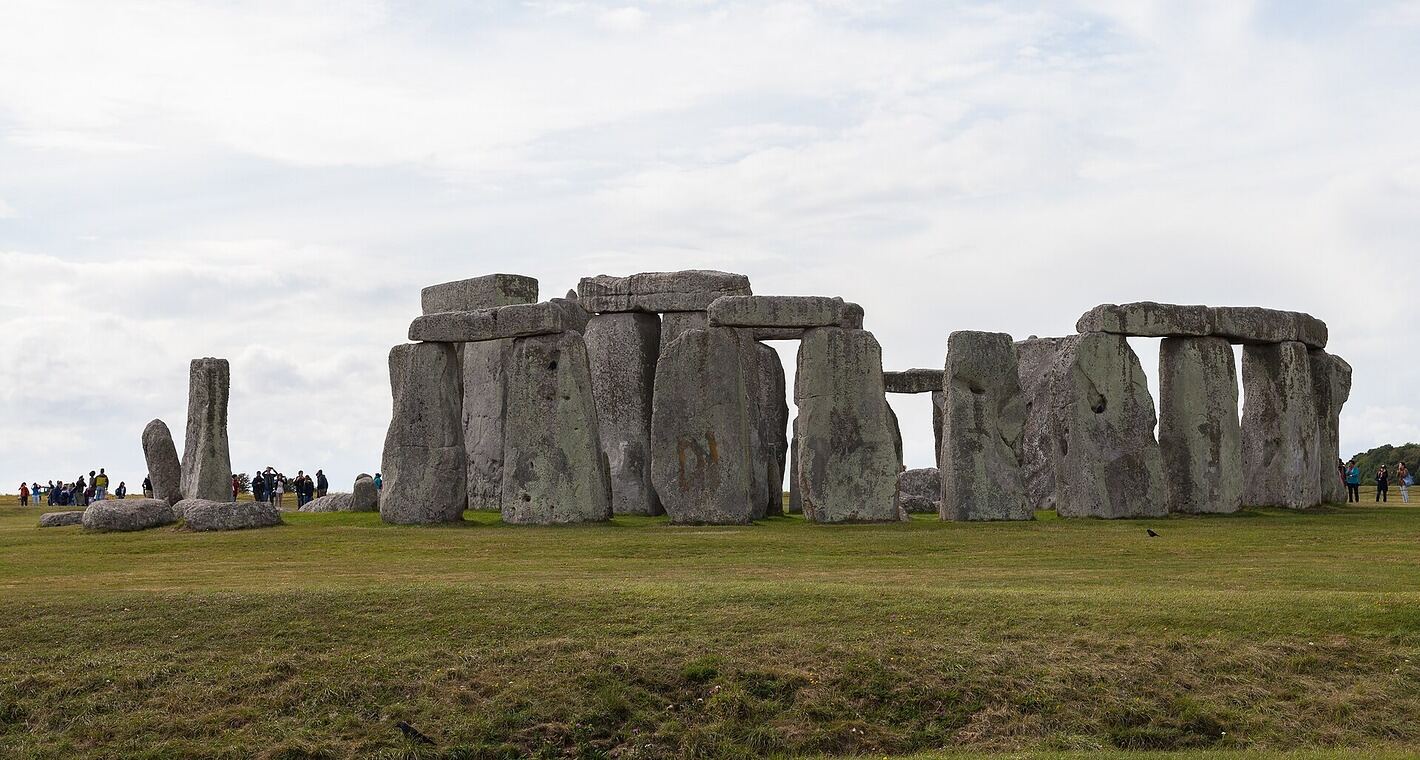
Stonehenge
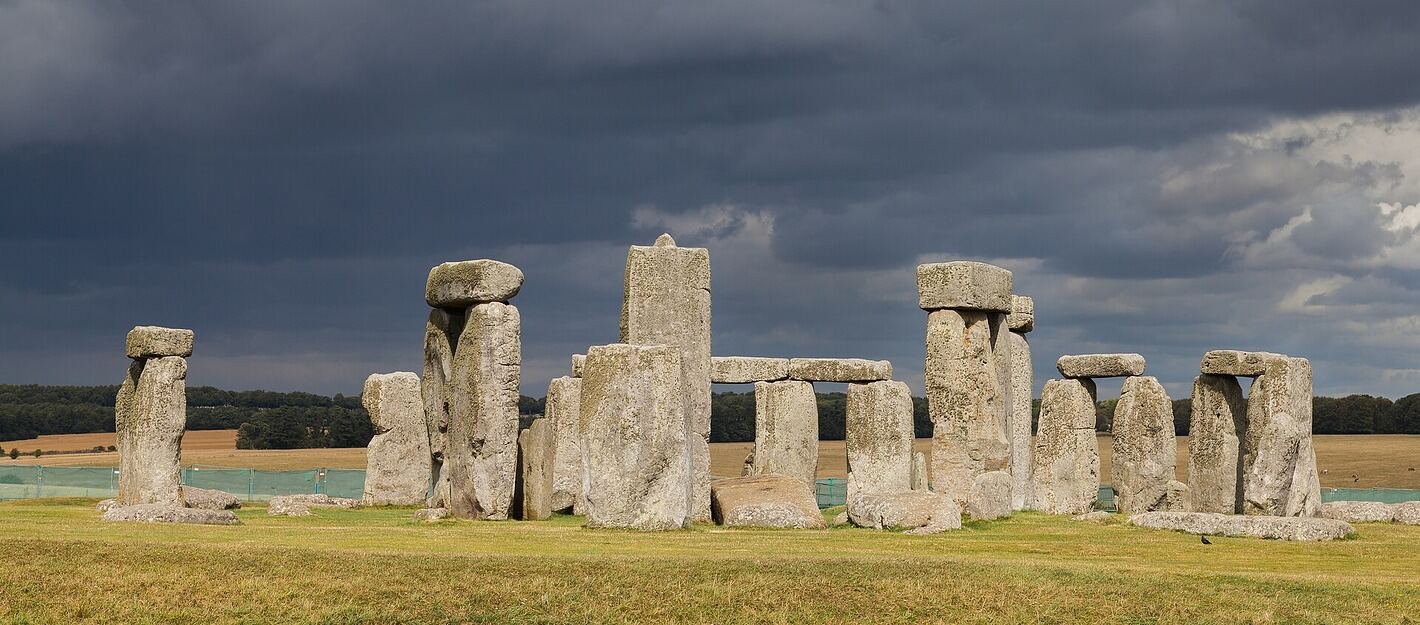
A ring of standing stones on Salisbury Plain, raised in stages from around 3100 BC. One of the world's most famous prehistoric monuments, aligned toward the sunrise on the summer solstice and the sunset on the winter solstice.

A ring of standing stones on Salisbury Plain, raised in stages from around 3100 BC. One of the world's most famous prehistoric monuments, aligned toward the sunrise on the summer solstice and the sunset on the winter solstice.
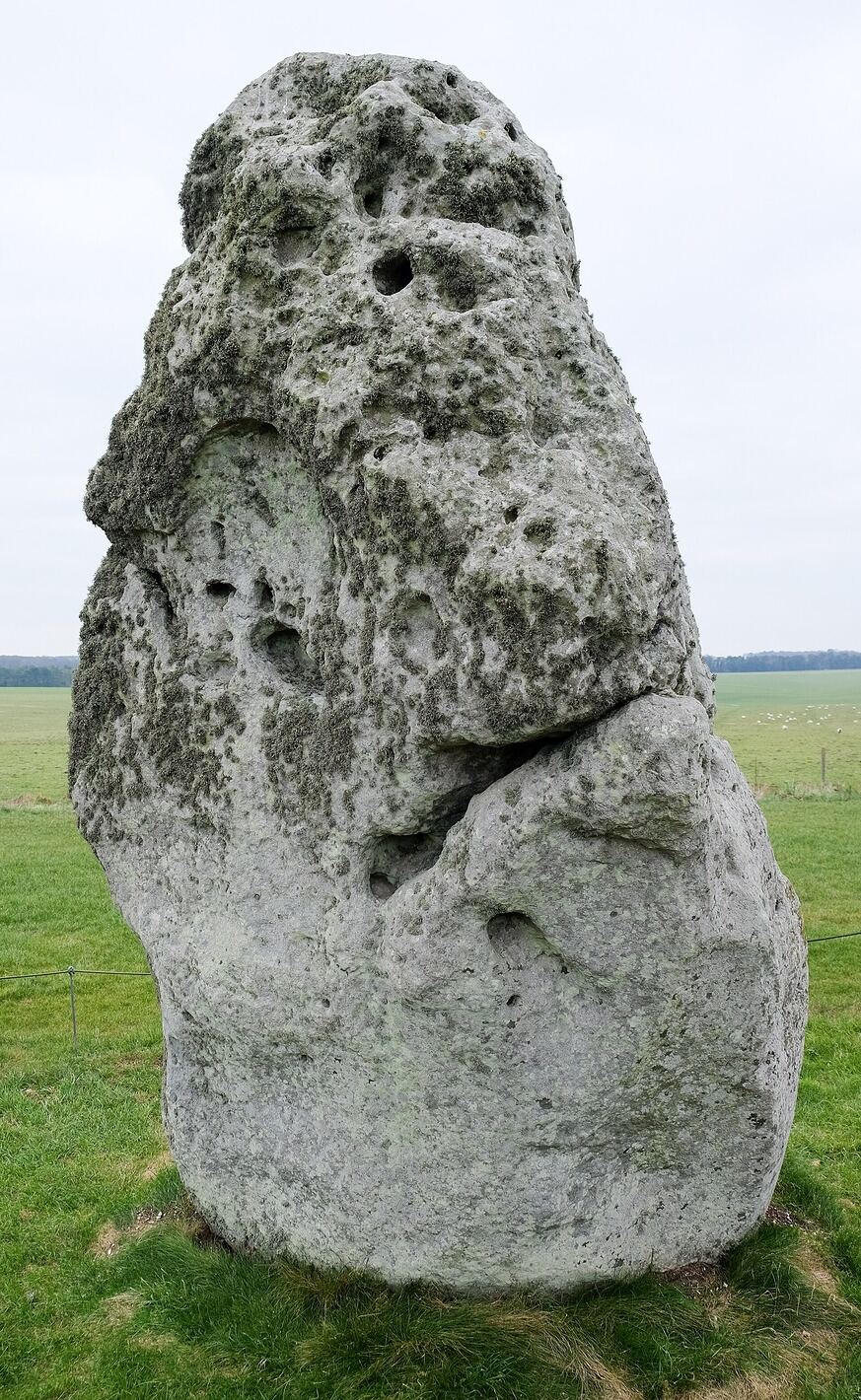
A single sarsen standing outside the main circle, roughly aligned with the sunrise on the summer solstice as seen from the center of the monument.
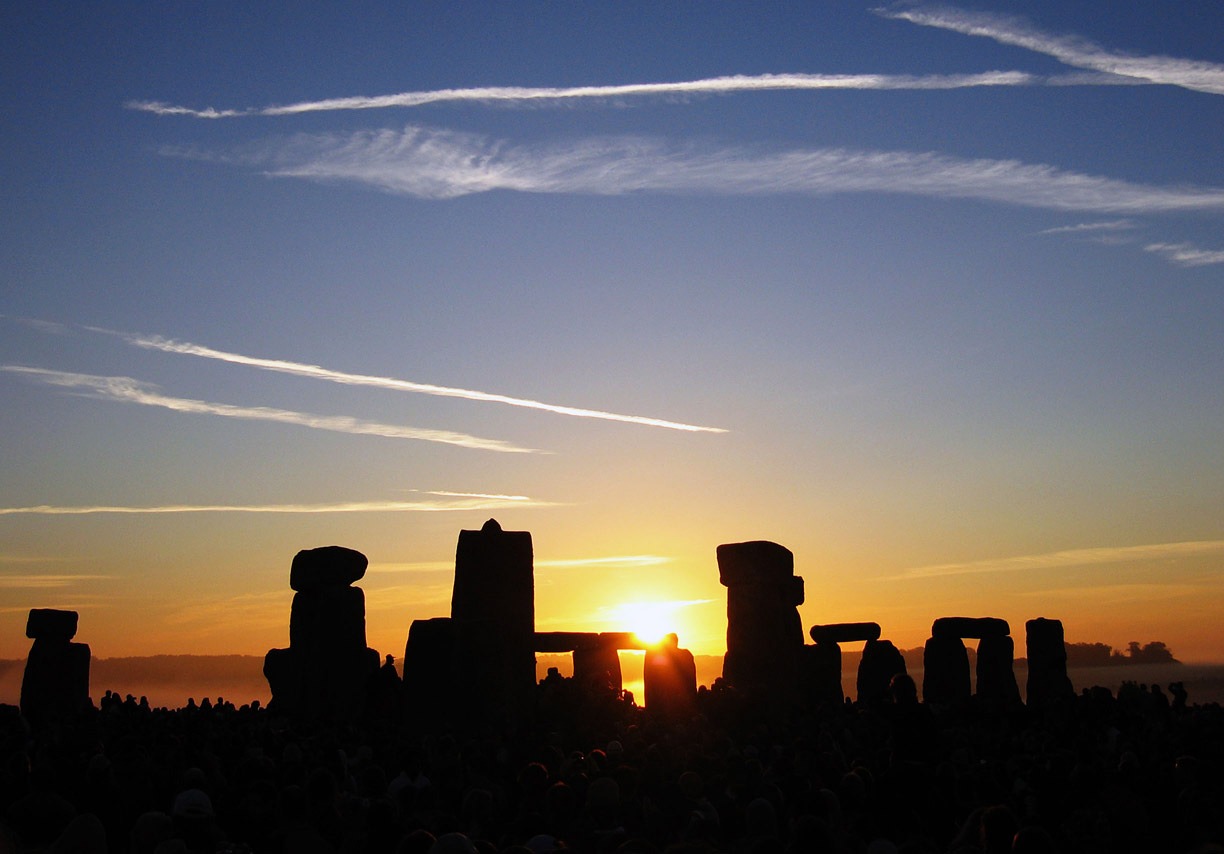
Thousands gather each June to watch the sun rise over the Heel Stone, one of the few times visitors can walk freely among the stones.
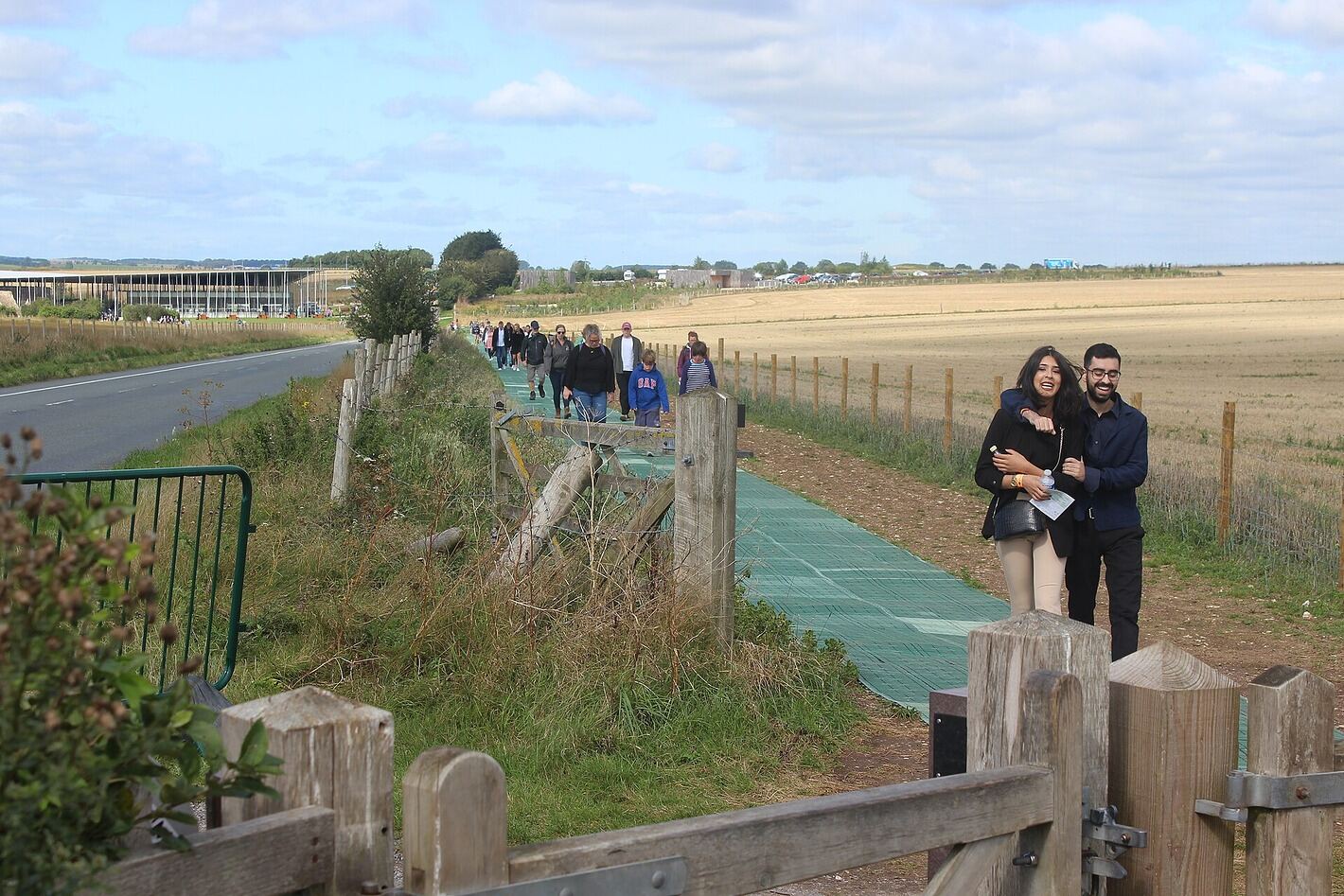
Standard visits view the monument from a perimeter path, but early-morning and evening access visits can be booked in advance to walk inside the circle.
Stonehenge uses timed entry. Book tickets, Stone Circle Access visits, and solstice event details on the official English Heritage website before you go.

Built in stages from around 3100 BC, Stonehenge is one of the best-known prehistoric monuments anywhere in the world.
Stonehenge and the surrounding monuments were added to the UNESCO World Heritage list in 1986, alongside the stone circles at Avebury.
The monument's alignment with the solstice sunrise and sunset still draws thousands of visitors to Salisbury Plain every June and December.
Do I need to book tickets in advance?
Yes. Stonehenge uses timed entry, and advance booking on the official English Heritage website is recommended, especially at busy periods. Entry is free for English Heritage members.
Can I walk among the stones?
Standard visits view the monument from a perimeter path. Early-morning or evening "Stone Circle Access" visits can be booked in advance to walk inside the circle, and access is free and open to everyone during the summer and winter solstice and the spring and autumn equinox.
How do I get to Stonehenge?
Stonehenge is on Salisbury Plain in Wiltshire, about two miles west of Amesbury and nine miles from Salisbury. The visitor centre has on-site parking, and Salisbury's mainline train station connects by road to the site.
How old is Stonehenge?
Construction began around 3100 BC in phases. The famous circle of large sarsen stones was raised between about 2600 and 2400 BC, with work at the site continuing until roughly 1600 BC.
Why is Stonehenge aligned the way it is?
The monument is arranged so the sun rises close to the Heel Stone on the summer solstice, and sets in the opposite direction on the winter solstice, a feature that still shapes how and when many people visit.
Is Stonehenge free to visit?
General admission is paid, with free entry for English Heritage members and, under a long-standing 1921 agreement, for local residents. Solstice and equinox access to the stones is free and open to all.
Stonehenge was built in stages starting around 3100 BC, when the earliest phase, a circular earthwork bank and ditch, was dug into Salisbury Plain. The now-iconic ring of sarsen stones, each around 13 feet high and weighing about 25 tons, was raised between roughly 2600 and 2400 BC, with the smaller bluestones repositioned within the circle a little later. Work at the site continued in various forms until about 1600 BC.
The monument is owned by the Crown Estate and managed by English Heritage, with the surrounding land held by the National Trust. It has been legally protected since 1882 and was added to UNESCO's World Heritage list in 1986, as part of the "Stonehenge, Avebury and Associated Sites" listing.
Stonehenge sits within the densest concentration of Neolithic and Bronze Age monuments in England, surrounded by hundreds of burial mounds. Human bone deposited in the earthwork from as early as 3000 BC suggests the site may have served as a burial ground from its earliest days.